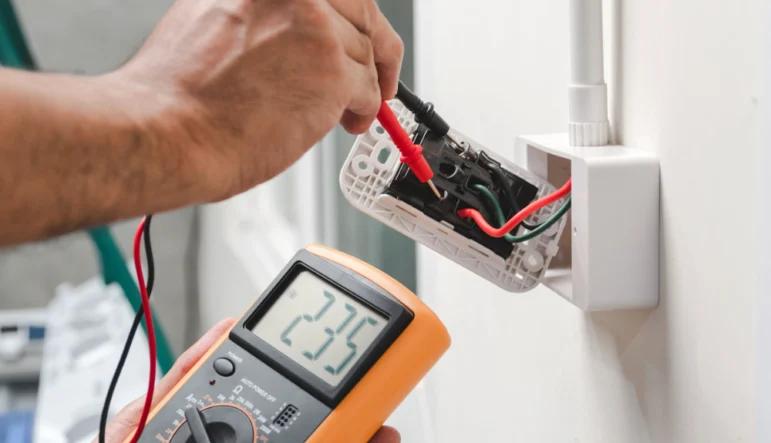
Step-by-Step Guide to PAT Testing: Everything You Need to Know
PAT testing might sound technical and intimidating, but understanding the process can help you ensure your workplace electrical safety and compliance. Whether you’re a business owner preparing for your first PAT test or simply curious about what happens during the process, this comprehensive guide will walk you through every step.
What is PAT Testing?
Portable Appliance Testing (PAT) is the process of checking electrical appliances for safety through visual inspection and electrical testing. It’s a legal requirement for most businesses and helps prevent electrical accidents, fires, and potential fatalities.
Before the PAT Testing Begins
Step 1: Preparation and Planning
What happens:
- The PAT testing company schedules a convenient time for your business
- They assess the number and types of appliances to be tested
- You receive information about what to expect during the visit
Your role:
- Ensure all portable electrical equipment is accessible
- Provide a list of equipment if requested
- Clear access routes to appliances
- Inform staff about the scheduled testing
Pro tip: For hospitality businesses, many PAT testing companies offer flexible scheduling, including early morning and late evening appointments to minimize disruption to your operations.
The PAT Testing Process: Step by Step
Step 2: Initial Assessment and Documentation
What the technician does:
- Arrives with calibrated testing equipment
- Reviews your equipment inventory
- Sets up testing apparatus
- Begins systematic documentation of all appliances
What you’ll see:
- Professional testing equipment being unpacked
- The technician creating or updating equipment records
- Initial visual survey of your premises
Step 3: Visual Inspection – The First Line of Defense
The technician examines each appliance for:
- Damage to plugs, cables, or equipment casing
- Signs of overheating (burn marks, discoloration)
- Loose connections or exposed wires
- Appropriate fuses in plugs
- General wear and tear
Why this matters: Visual inspection catches approximately 90% of electrical faults. It’s so important that for equipment on 1-2 year testing cycles, visual inspections are required between full tests to maintain safety standards.
What happens if issues are found:
- The appliance is immediately labeled as unsafe
- You’re advised not to use it until repaired or replaced
- The fault is documented in the test report
Step 4: Electrical Testing – The Technical Assessment
Earth Continuity Test:
- Checks that the earth connection is working properly
- Ensures electrical current has a safe path to ground
- Critical for preventing electric shocks
Insulation Resistance Test:
- Measures the resistance between live parts and earth
- Identifies deteriorating insulation that could cause shocks or fires
- Uses specialized equipment to apply test voltages
Polarity Test:
- Verifies that live and neutral connections are correct
- Ensures switches interrupt the live conductor
- Prevents dangerous wiring errors
Load Test (where applicable):
- Tests the appliance under normal operating conditions
- Checks for excessive current draw
- Identifies internal faults that might not show in other tests
Step 5: Documentation and Labeling
What happens:
- Each tested appliance receives a unique identification number
- Pass/fail labels are attached with test dates
- Detailed records are created for each item
- Test certificates are prepared
The labeling system:
- Green labels: Equipment passed and is safe to use
- Red labels: Equipment failed and must not be used
- Blue labels: Equipment passed but requires attention
Step 6: Reporting and Recommendations
Your comprehensive report includes:
- Complete inventory of tested equipment
- Test results for each appliance
- Details of any failures or concerns
- Recommendations for remedial action
- Next testing due dates
Digital advantages: Modern PAT testing companies provide digital reports that you can access online, making record-keeping easier and ensuring you never lose important documentation.
After the PAT Testing
Step 7: Understanding Your Results
Passed equipment:
- Safe to continue using
- Next test date clearly marked
- Include in your ongoing visual inspection routine
Failed equipment:
- Must be removed from service immediately
- Can often be repaired by qualified electricians
- Should be retested after any repairs
Equipment requiring attention:
- Safe to use but needs monitoring
- May require more frequent testing
- Consider replacement in your next budget cycle
Step 8: Maintaining Safety Between Tests
Visual inspections:
- Train staff to perform regular visual checks
- Look for obvious damage or wear
- Report concerns immediately
- Document any issues found
Record keeping:
- Maintain copies of all PAT test certificates
- Keep records of any repairs or replacements
- Track when next tests are due
- Store digital copies securely
Industry-Specific Considerations
Hospitality Businesses
Unique challenges:
- High equipment usage rates
- Wet environments (kitchens, cleaning areas)
- Public access to some equipment
- Extended operating hours
Special considerations:
- More frequent testing may be required
- Kitchen equipment needs particular attention
- Guest room appliances require regular checking
- Flexible testing schedules minimize operational disruption
Office Environments
Common equipment tested:
- Computers and monitors
- Printers and scanners
- Coffee machines and microwaves
- Desk lamps and heaters
- Phone chargers and power supplies
Typical issues found:
- Damaged computer cables
- Overloaded extension leads
- Personal equipment brought from home
- Aging equipment with deteriorating insulation
Industrial Settings
Additional complexity:
- Specialized equipment requiring expert knowledge
- Harsh operating environments
- Higher voltage equipment
- More frequent testing schedules
Frequency of PAT Testing
General guidelines:
- Office environments: Annual testing for most equipment
- Industrial settings: 6-12 months depending on equipment type
- Construction sites: Every 3 months
- High-risk environments: As frequently as every month
Remember: These are guidelines, and your specific requirements may vary based on equipment type, usage, and environment.
Common PAT Testing Myths Debunked
Myth 1: “All equipment must be tested annually” Reality: Testing frequency depends on equipment type and environment
Myth 2: “PAT testing is just a money-making scheme” Reality: It’s a legal requirement that prevents serious accidents
Myth 3: “New equipment doesn’t need testing” Reality: Even new equipment should be tested to verify safety
Myth 4: “Visual inspection is enough” Reality: Electrical testing is essential to identify hidden faults
Preparing for Your Next PAT Test
Create an equipment register:
- List all portable electrical equipment
- Note locations and responsible users
- Track any issues between tests
- Plan for equipment replacement
Train your staff:
- Basic electrical safety awareness
- How to perform visual inspections
- Reporting procedures for concerns
- Emergency response for electrical incidents
Budget planning:
- Factor in regular PAT testing costs
- Plan for equipment repairs or replacements
- Consider the cost of business disruption from electrical failures