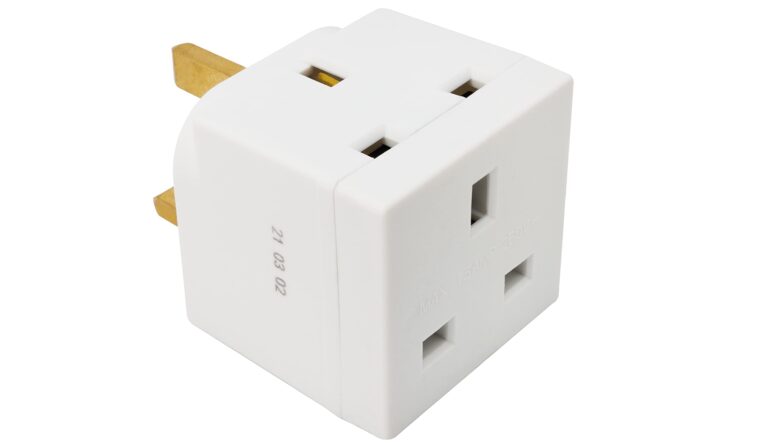
Socket Adaptors Can Be a Fire Risk If You Overload Them: A Critical Safety Warning
Socket adaptors are everywhere in modern workplaces and homes. These seemingly innocent devices help us plug multiple appliances into a single socket, but they can become deadly fire hazards when overloaded. Understanding the risks and knowing how to use adaptors safely could literally save lives and prevent devastating fires.
The Hidden Danger in Plain Sight
Every day, millions of people use socket adaptors without giving them a second thought. That innocent-looking multi-plug extension or cube adaptor on your desk might seem harmless, but it could be a ticking time bomb if you’re not careful about how much electrical load you’re putting through it.
The stark reality is that overloaded socket adaptors are responsible for thousands of electrical fires every year, causing injuries, fatalities, and millions of pounds in property damage. The good news? These incidents are entirely preventable with proper knowledge and careful use.
Why Socket Adaptors Become Fire Hazards
Understanding Electrical Load
Every electrical socket in the UK is designed to handle a maximum of 13 amps safely. This might sound like a lot, but it’s surprisingly easy to exceed this limit when using adaptors:
- A typical kettle: 10-13 amps
- A microwave: 8-10 amps
- A heater: 10-13 amps
- A computer: 2-3 amps
- A printer: 1-2 amps
As you can see, just plugging a kettle and a small heater into the same adaptor could push you dangerously close to or over the 13-amp limit.
What Happens When You Overload
When you exceed the safe electrical load:
- Heat generation: Excessive current creates dangerous heat in the adaptor and socket
- Component failure: Plastic components can melt or deform
- Arcing: Electrical arcing can occur, creating sparks
- Fire ignition: Overheated components can ignite surrounding materials
- Rapid spread: Electrical fires can spread incredibly quickly
Common Overloading Scenarios in the Workplace
Office Environments
High-risk situations:
- Multiple computers, monitors, and printers on one adaptor
- Desk heaters plugged into already-loaded adaptors
- Charging stations with numerous devices
- Kitchen areas with kettles, microwaves, and fridges on the same circuit
Hospitality Settings
Dangerous combinations:
- Kitchen equipment on overloaded circuits
- Guest room adaptors with multiple high-power devices
- Conference room setups with extensive AV equipment
- Cleaning equipment and appliances on the same adaptor
Retail and Commercial Spaces
Fire risk scenarios:
- Display lighting and equipment on single adaptors
- Point-of-sale systems with multiple components
- Temporary installations during events or sales
- Storage areas with multiple appliances
Warning Signs of Overloaded Socket Adaptors
Visual Indicators
Immediate danger signs:
- Burn marks around the socket or adaptor
- Discoloration of the plastic casing
- Melted or deformed plugs or sockets
- Scorch marks on walls or surfaces
- Loose connections that spark when plugged in
Physical Symptoms
Touch and smell warnings:
- Hot adaptors or plugs (they should never be hot to touch)
- Burning smell from electrical equipment
- Crackling or buzzing sounds from adaptors
- Flickering lights when appliances are switched on
- Tripping circuit breakers or blown fuses
Behavioral Red Flags
Usage patterns that indicate problems:
- Regularly having to reset circuit breakers
- Lights dimming when certain appliances start
- Adaptors that feel warm even with light loads
- Frequent equipment failures or malfunctions
Safe Socket Adaptor Practices
The Golden Rules
Rule 1: Check the total load
- Add up the amp ratings of all devices
- Never exceed 13 amps total
- When in doubt, use fewer devices
Rule 2: Avoid high-power combinations
- Never plug two high-power appliances into the same adaptor
- Keep heating appliances on dedicated sockets
- Separate kitchen appliances across multiple sockets
Rule 3: Quality matters
- Use only CE-marked adaptors
- Avoid cheap, unbranded products
- Replace damaged adaptors immediately
- Choose adaptors with built-in surge protection
Smart Loading Strategies
Low-power combinations that work:
- Computer + monitor + desk lamp
- Phone charger + tablet charger + small fan
- Radio + clock + small desk accessories
High-power items that need dedicated sockets:
- Kettles and coffee machines
- Microwaves and toasters
- Heaters and air conditioning units
- Power tools and industrial equipment
Professional Assessment and PAT Testing
The Role of PAT Testing
Regular PAT (Portable Appliance Testing) plays a crucial role in identifying overloading risks:
- Load assessment: Professional testing can identify circuits at risk of overloading
- Equipment condition: Testing reveals damaged adaptors and equipment
- Usage patterns: Professionals can advise on safe equipment combinations
- Compliance: Ensures your workplace meets electrical safety regulations
Important note: For businesses with 1-2 year PAT testing cycles, visual inspections between full tests are essential for identifying overloading risks and maintaining electrical safety standards.
When to Call Professionals
Immediate professional help needed:
- Any signs of burning or overheating
- Frequent circuit breaker trips
- Unusual smells or sounds from electrical equipment
- After any electrical incident or near-miss
- When planning significant equipment additions
Industry-Specific Overloading Risks
Hospitality Businesses
Unique challenges:
- High-power kitchen equipment
- Guest rooms with multiple devices
- Temporary event setups
- 24/7 operational demands
Special considerations: Professional electrical safety services can provide flexible scheduling, including early morning and late evening assessments to minimize disruption to hospitality operations while ensuring guest and staff safety.
Office Buildings
Common problems:
- Desk-based equipment overload
- Temporary workstation setups
- Meeting room AV equipment
- Kitchen and break room appliances
Retail Environments
Risk factors:
- Seasonal equipment additions
- Display and lighting systems
- Point-of-sale equipment clusters
- Storage area appliances
Creating a Socket Safety Policy
For Businesses
Essential policy elements:
- Clear guidelines on adaptor use and loading limits
- Regular inspection schedules for electrical equipment
- Staff training on electrical safety awareness
- Reporting procedures for electrical concerns
- Professional assessment schedules
Staff Training Points
Key education topics:
- How to calculate electrical loads
- Recognizing overloading warning signs
- Proper adaptor selection and use
- Emergency procedures for electrical incidents
- When to seek professional help
Emergency Response for Electrical Incidents
Immediate Actions
If you suspect overloading:
- Switch off the power at the mains
- Unplug all devices from the adaptor
- Check for damage to equipment and surroundings
- Ventilate the area if there’s a burning smell
- Call professionals for assessment
Never:
- Touch hot or damaged electrical equipment
- Use water on electrical fires
- Ignore warning signs
- Attempt repairs yourself
The Cost of Electrical Fires
Financial Impact
Direct costs:
- Property damage and rebuilding
- Equipment replacement
- Business interruption losses
- Insurance excess payments
Indirect costs:
- Lost productivity and revenue
- Temporary accommodation costs
- Reputation damage
- Legal and compliance issues
Human Cost
The real tragedy:
- Injuries and potential fatalities
- Trauma for staff and families
- Long-term health impacts
- Community disruption
Prevention is Better Than Cure
Simple Steps, Massive Impact
Daily practices:
- Visual checks of adaptors and plugs
- Awareness of electrical loads
- Proper equipment positioning
- Regular cleaning of electrical equipment
Regular maintenance:
- Professional PAT testing
- Electrical installation inspections
- Staff training updates
- Policy reviews and updates
Technology Solutions
Modern Safety Features
Smart adaptors:
- Built-in overload protection
- Individual socket switching
- Load monitoring displays
- Automatic shutdown features
Professional monitoring:
- Circuit load monitoring systems
- Automated alert systems
- Predictive maintenance scheduling
- Real-time safety assessments