Covering Essex, Suffolk, Cambridge, Kent, Hertfordshire, Ipswich & London
Mon-Fri 9:00 AM - 17:00 PM
Covering Essex, Suffolk, Cambridge, Kent, Hertfordshire, Ipswich & London
Mon-Fri 9:00 AM - 17:00 PM
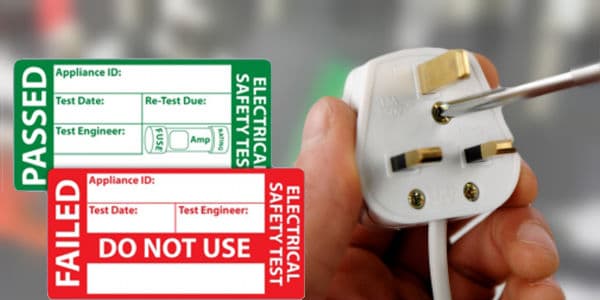
PAT testing looks the same from the outside. A technician arrives, plugs appliances into a tester, prints a pass or fail label, and leaves. But the industry behind that visit has shifted considerably over the past decade, and the changes affect what customers actually get, how long the process takes, and what the paperwork means. The shift is not cosmetic. It touches test methodology, digital record-keeping, risk-based scheduling, and the specific expectations placed on landlords in ways that were not standard practice even a few years ago.
Paper certificates used to be the end product of a PAT test. A technician handed over a printed sheet, the customer filed it, and that was the audit trail. Now, the standard output is a digital register, often delivered as a PDF or via a client portal, that logs every individual appliance tested, its make and model where recorded, the specific test results (earth continuity in ohms, insulation resistance in megaohms, and whether a visual inspection flagged anything), and a pass or fail outcome per item.
This matters for two reasons. First, insurers and enforcement bodies can ask for item-level data, not just a blanket certificate. Second, landlords in particular need records that survive a tenancy dispute. MES PAT Testing LTD advises clients that a single-page “all passed” certificate carries almost no weight if a specific appliance becomes the subject of a complaint. The item-level register does. For Landlord and Rental Property Safety Testing in Braintree, England, this shift in documentation standard is one of the most practical changes customers should understand before booking.

The old assumption was simple: test everything every year. That assumption was never actually mandated by law, but it became the default because it was easy to remember and easy to sell. The current guidance from the IET Code of Practice (4th edition) takes a different position. Test frequency should reflect the type of equipment, the environment it operates in, and how it is used.
A floor-standing photocopier in a low-traffic office might be tested every four or five years. A site-used extension lead on a construction site might need testing every three months. A fridge in a furnished rental property sits somewhere in between. Getting this wrong in either direction is a problem. Over-testing wastes money. Under-testing leaves genuine risk unaddressed. MES PAT Testing LTD regularly encounters businesses in the Braintree, England area that have been paying for annual tests on low-risk fixed IT equipment while neglecting portable power tools that genuinely need more frequent inspection. A competent PAT contractor should be advising on intervals, not just turning up on the same date every year because it is easy to invoice.
For anyone comparing providers, this is worth asking directly: will they give you a recommended retest schedule per appliance class, or do they apply one interval to everything? The answer tells you a lot. You can also compare how different providers structure this by looking at how PAT testing pricing and service scope is structured.
Modern PAT testers like the Seaward Primetest 250 or the Megger PAT400 series do in seconds what older units took minutes to complete, and they log results automatically rather than requiring a technician to write them down. That speed matters on a large site. Testing 200 appliances in a day is realistic with current equipment. With older gear and manual logging, that same job might have taken two days.
The practical implication for customers is that a fast test is not a rushed test. Speed has come from better equipment, not from corners being cut. What has not changed is that a visual inspection still requires human judgment. A cracked plug casing, a damaged cable near the strain relief, a plug with the wrong fuse rating: these are caught by eyes, not by the tester. Any provider who walks through a site at a pace that makes visual inspection impossible is not doing the job properly, regardless of what the tester says.
In areas like Stansted Mountfitchet and the broader Braintree district, where a mix of older commercial premises and newer residential developments creates a wide range of appliance ages and conditions, the visual element of a test often catches more than the electrical measurements do.
The rental sector has become one of the most active segments in PAT testing, and the expectations placed on landlords have tightened. While PAT testing for rental properties is not a statutory requirement in the same way as a gas safety certificate, the Electrical Safety Standards in the Private Rented Sector Regulations (England) and general duty-of-care obligations have made it far harder for landlords to argue that untested appliances in furnished properties are acceptable.
MES PAT Testing LTD handles Landlord and Rental Property Safety Testing across Braintree, England regularly, and the consistent pattern is that landlords who test appliances at the start of a tenancy and retain item-level records are in a substantially stronger position if something goes wrong. The cost of testing a furnished flat, typically in the range of 40 to 80 pounds depending on appliance count, is trivial against the cost of a liability dispute. Landlords managing multiple properties across Essex can also find relevant context in the broader PAT testing services available across Essex.
MES PAT Testing LTD is based at 52 Orion Way, Braintree CM7 9UR, UK, and can be reached on 01376 339372. For businesses and landlords in the Braintree area looking for a portable appliance testing provider who gives honest advice on intervals and documentation rather than a one-size-fits-all annual visit, they are a practical starting point.
Portable appliance testing involves a thorough inspection and testing of electrical appliances to ensure they are safe to use. Our certified technicians will check for any defects or safety issues, perform necessary tests, and provide a detailed report of the findings.
The cost of portable appliance testing can vary depending on the number of appliances and the specific requirements of your property. We provide competitive pricing and can offer a quote tailored to your needs after assessing the scope of work.
Before our technicians arrive, it’s helpful to ensure that all appliances are accessible and powered on. Additionally, gather any documentation related to previous tests, as this can assist in the evaluation process.
Common mistakes include neglecting to schedule regular testing, assuming all appliances are safe without testing, and failing to keep records of test results. These oversights can lead to safety hazards and potential legal issues.
🎧 Listen to this as a podcast
Also on Apple Podcasts, Spotify, and Amazon Music.
