Covering Essex, Suffolk, Cambridge, Kent, Hertfordshire, Ipswich & London
Mon-Fri 9:00 AM - 17:00 PM
Covering Essex, Suffolk, Cambridge, Kent, Hertfordshire, Ipswich & London
Mon-Fri 9:00 AM - 17:00 PM
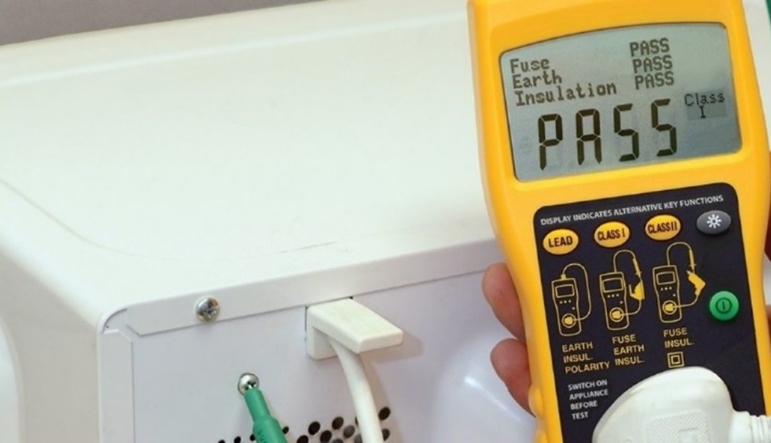
The History of PAT Testing: How Regulations Have Evolved
In today’s workplace, Portable Appliance Testing (PAT) is as routine as changing the coffee filter. But this wasn’t always the case. Let’s plug into the fascinating evolution of PAT testing and understand how these vital safety regulations have shaped our modern workplace.
The Birth of Electrical Safety Testing
The story begins in the 1960s when the UK witnessed a significant rise in electrical accidents in both homes and workplaces. This surge in incidents sparked a crucial conversation about electrical safety, leading to the development of what we now know as PAT testing.
The 1974 Game-Changer
The real turning point came with the Health and Safety at Work Act 1974. This groundbreaking legislation laid the foundation for modern workplace safety standards, including electrical equipment testing. For the first time, employers were legally required to ensure the safety of all electrical equipment in the workplace.
The 1989 Regulations: Adding More Power
The Electricity at Work Regulations 1989 brought more specific requirements for electrical safety. These regulations made it clear that all electrical systems should be maintained to prevent danger. While they didn’t explicitly mention PAT testing, they established the framework for regular electrical equipment inspection and testing.
The Modern Era: IET Code of Practice
The Institution of Engineering and Technology (IET) has continuously updated its Code of Practice for In-service Inspection and Testing of Electrical Equipment. These guidelines have become the gold standard for PAT testing, offering detailed recommendations for testing frequencies and procedures.
Key Changes Over the Years:
• Introduction of formal risk assessment approaches
• Development of sophisticated testing equipment
• Implementation of digital record-keeping systems
• Recognition of different testing requirements for various environments
• Integration of visual inspection as a crucial component
Today’s PAT Testing Landscape
Modern PAT testing is more nuanced and risk-based than ever before. The focus has shifted from blanket testing frequencies to a more tailored approach based on:
• Equipment type and usage
• Environmental conditions
• Previous test results
• Risk assessment outcomes
The Future of PAT Testing
As we look ahead, several trends are shaping the future of PAT testing:
1. Smart Technology Integration
– IoT-enabled testing devices
– Automated scheduling systems
– Real-time monitoring capabilities
2. Sustainable Practices
– More energy-efficient testing equipment
– Paperless documentation
– Enhanced focus on equipment longevity
3. Enhanced Training and Certification
– Continuous professional development
– Specialized certifications for different sectors
– Online learning platforms
Practical Implications for Businesses
Understanding these regulatory changes helps businesses:
• Maintain compliance with current standards
• Protect employees and customers
• Manage testing schedules effectively
• Make informed decisions about equipment maintenance
Best Practices for Modern PAT Testing
1. Regular Risk Assessments
2. Documented Testing Procedures
3. Proper Record Keeping
4. Staff Training and Awareness
5. Equipment Inventory Management
Conclusion
The evolution of PAT testing regulations reflects our growing understanding of electrical safety and risk management. From its humble beginnings to today’s sophisticated approaches, PAT testing continues to adapt to changing workplace needs while maintaining its core purpose: keeping people safe.
For businesses looking to maintain compliance and ensure safety, staying informed about these regulatory changes is crucial. Regular PAT testing isn’t just about ticking boxes – it’s about protecting lives and assets while creating a safer working environment for everyone.
