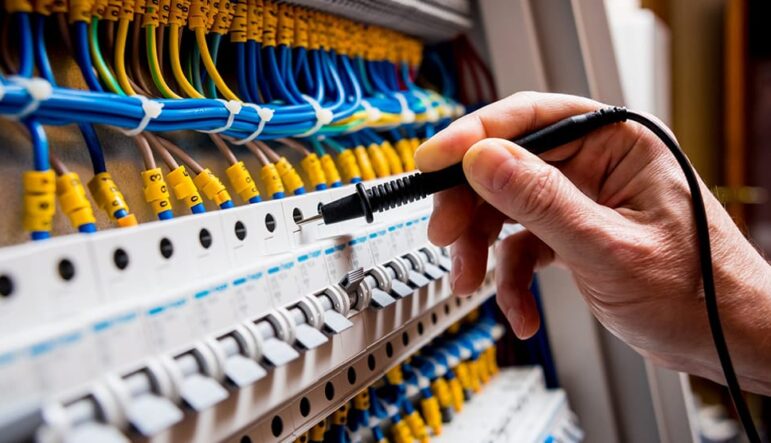
Your Complete Guide to Professional Electrical Services: Safety, Compliance, and Peace of Mind
In today’s technology-driven world, electrical services form the backbone of every successful business. From ensuring workplace safety to maintaining operational efficiency, professional electrical services are no longer optional—they’re essential. Whether you’re a small business owner or managing a large facility, understanding the full spectrum of electrical services available can help you make informed decisions that protect your business, employees, and bottom line.
The Modern Business Electrical Landscape
Every business, regardless of size or industry, relies heavily on electrical systems and equipment. From the coffee machine in your office kitchen to the complex machinery in industrial facilities, electrical safety and reliability are paramount. This is where professional electrical services become invaluable.
Essential Electrical Services Every Business Needs
1. PAT Testing (Portable Appliance Testing)
What it involves: PAT testing is the systematic examination of portable electrical appliances to ensure they’re safe for use. This includes everything from computers and printers to kettles and power tools.
Why it’s crucial:
- Legal compliance requirement for most businesses
- Prevents electrical accidents and potential fatalities
- Protects against costly insurance claims
- Demonstrates duty of care to employees and customers
Industry-specific considerations: For hospitality businesses, PAT testing requires special attention due to high equipment usage, wet environments, and extended operating hours. Professional services offer flexible scheduling, including early morning and late evening appointments to minimise operational disruption.
Key insight: For equipment on 1-2 year testing cycles, visual inspections between full tests are essential for maintaining electrical safety standards.
2. Fixed Wire Testing
What it covers: Complete inspection and testing of your building’s electrical installation, including:
- Distribution boards and consumer units
- Wiring systems and circuits
- Earthing and bonding arrangements
- Emergency lighting systems
Testing frequency:
- Commercial properties: Every 5 years
- Industrial facilities: Every 3 years
- High-risk environments: More frequent testing may be required
3. Emergency Lighting Testing
Critical for safety: Emergency lighting systems must be tested regularly to ensure they’ll function during power outages or emergencies.
Testing requirements:
- Monthly brief tests
- Annual full-duration tests
- Comprehensive system inspections
4. Electrical Installation and Maintenance
Professional installation services:
- New electrical systems design and installation
- Upgrades to existing installations
- Energy-efficient lighting solutions
- Power distribution systems
Ongoing maintenance:
- Preventive maintenance programs
- Emergency repair services
- System upgrades and improvements
- Energy efficiency assessments
Industry-Specific Electrical Service Needs
Hospitality Sector
Unique challenges:
- High equipment turnover and usage
- Wet environments in kitchens and cleaning areas
- Guest safety considerations
- 24/7 operational requirements
Specialized services:
- Kitchen equipment electrical safety
- Guest room electrical installations
- Emergency lighting for public areas
- Flexible testing schedules to minimise disruption
Office Environments
Common requirements:
- IT equipment safety and efficiency
- Lighting system optimisation
- Power distribution for modern technology
- Energy management solutions
Key considerations:
- Minimal disruption during testing and maintenance
- Flexible scheduling around business hours
- Support for hot-desking and flexible working arrangements
Retail and Commercial Spaces
Essential services:
- Shop lighting and display systems
- Security system electrical support
- Point-of-sale equipment safety
- Customer area electrical safety
Industrial and Manufacturing
Specialised needs:
- Heavy machinery electrical safety
- High-voltage system maintenance
- Hazardous environment electrical solutions
- Production line electrical support
The Technology Revolution in Electrical Services
Digital Reporting and Management
Modern electrical service providers use advanced technology to deliver:
- Digital certificates and reports: Instant access to test results and compliance documentation
- Asset management systems: Track equipment, test dates, and maintenance schedules
- Mobile technology: On-site report generation and immediate results
- Cloud-based record keeping: Secure, accessible documentation storage
Smart Electrical Solutions
Energy management systems:
- Smart meters and monitoring
- Automated lighting controls
- Power factor correction
- Energy usage optimisation
Predictive maintenance:
- IoT sensors for equipment monitoring
- Predictive failure analysis
- Automated maintenance scheduling
- Real-time system health monitoring
Choosing the Right Electrical Service Provider
Key Qualifications to Look For
Essential credentials:
- Qualified electricians with relevant certifications
- Industry accreditations and memberships
- Comprehensive insurance coverage
- Ongoing training and development programs
Experience matters:
- Sector-specific expertise
- Understanding of industry regulations
- Track record with similar businesses
- Local knowledge and presence
Service Quality Indicators
Professional standards:
- Transparent pricing structures
- Clear communication and reporting
- Flexible scheduling options
- Emergency response capabilities
- Ongoing support and advice
Technology adoption:
- Modern testing equipment
- Digital reporting systems
- Efficient service delivery
- Proactive maintenance programs
The Business Benefits of Professional Electrical Services
Risk Management
Safety benefits:
- Reduced risk of electrical accidents
- Protection against fire hazards
- Compliance with health and safety regulations
- Demonstration of duty of care
Financial protection:
- Lower insurance premiums
- Avoided downtime costs
- Prevention of costly emergency repairs
- Protection against legal liabilities
Operational Efficiency
Business continuity:
- Reliable electrical systems
- Planned maintenance schedules
- Quick emergency response
- Minimal operational disruption
Energy efficiency:
- Reduced electricity costs
- Improved system performance
- Environmental benefits
- Enhanced corporate responsibility
Planning Your Electrical Service Strategy
Assessment and Planning
Start with a comprehensive audit:
- Identify all electrical equipment and systems
- Assess current compliance status
- Evaluate system efficiency and reliability
- Plan for future needs and growth
Scheduling and Budgeting
Create a maintenance calendar:
- PAT testing schedules
- Fixed wire testing dates
- Emergency lighting tests
- Planned maintenance activities
Budget considerations:
- Regular testing and maintenance costs
- Equipment replacement planning
- Emergency repair contingencies
- Energy efficiency investments
Future-Proofing Your Electrical Systems
Emerging Trends
Sustainability focus:
- LED lighting conversions
- Solar panel installations
- Electric vehicle charging points
- Energy storage solutions
Smart building integration:
- IoT-enabled electrical systems
- Automated monitoring and control
- Data-driven maintenance decisions
- Enhanced user experiences
Regulatory Changes
Staying compliant:
- Keep up with changing regulations
- Implement new safety standards
- Adapt to environmental requirements
- Maintain competitive advantages
Taking Action: Your Next Steps
Immediate Actions
- Assess your current electrical safety status
- Schedule necessary testing and inspections
- Review your electrical service provider relationships
- Plan for upcoming compliance requirements
Long-term Planning
- Develop a comprehensive electrical maintenance strategy
- Budget for system upgrades and improvements
- Consider energy efficiency opportunities
- Plan for business growth and expansion